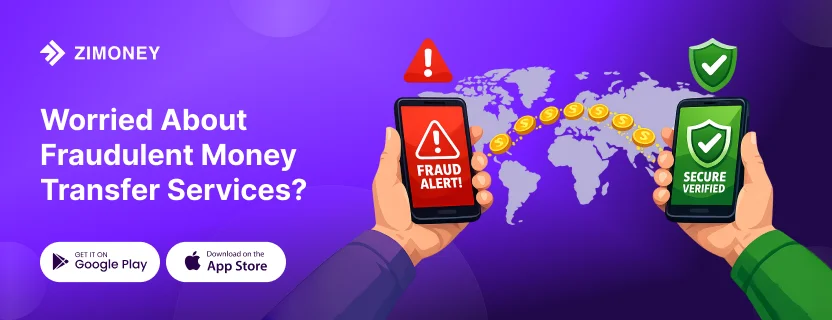
International money transfers have become an essential financial service for individuals, families and businesses across Australia. As digital platforms continue to expand, customers now have more options than ever when choosing a remittance provider. While increased competition can improve pricing and innovation, it also creates risk. Not every service advertising international transfers operates within a legitimate or regulated framework.
Fraudulent operators, informal agents and unlicensed platforms often present themselves as credible alternatives, sometimes offering highly attractive exchange rates or reduced fees. Without proper verification, customers may expose themselves to financial loss, identity theft or lack of legal recourse.
Understanding how to verify that a money transfer service is legitimate is essential before sending funds overseas. This guide outlines the key indicators of credibility and explains how to protect yourself when selecting a remittance provider.
Confirm Regulatory Registration and Compliance
The most important step in verifying legitimacy is confirming that the provider operates within a recognised regulatory framework.
In Australia, remittance providers are required to comply with Anti Money Laundering and Counter Terrorism Financing obligations. This includes identity verification procedures, transaction monitoring and reporting requirements. These measures exist to protect customers and maintain financial system integrity.
A legitimate provider will clearly state its regulatory status and compliance commitments. Transparency around licensing and oversight demonstrates accountability. If a platform avoids discussing regulation or provides vague information about its compliance framework, this should raise concern.
Regulation does not guarantee perfection, but it establishes enforceable standards and provides recourse if issues arise.
Review Transparency in Pricing and Exchange Rates
Legitimate money transfer services provide clear and upfront information about pricing. This includes the service fee, the exchange rate applied and the final amount the recipient will receive.
Hidden fees and unclear exchange rate margins are warning signs. If the platform does not display the full cost breakdown before confirmation, customers may struggle to assess the true value of the transfer.
Transparent providers present the exchange rate openly rather than disguising it within complex terms. The ability to review the final payout amount prior to authorisation reflects operational integrity.
Clarity in pricing is a strong indicator of legitimacy.
Assess Digital Security Measures
Security infrastructure is another critical factor in verifying authenticity. A legitimate remittance provider invests in secure technical systems to protect user data and financial information.
Indicators of secure digital infrastructure include encrypted website connections, secure login systems and multi factor authentication options. Professional platforms also maintain structured privacy policies outlining how customer data is handled and protected.
If a service operates primarily through unsecured communication channels, such as direct messaging applications without formal website or app security, customers should proceed with caution.
Digital security reflects organisational maturity and responsibility.
Read Also:- Cheapest Way to Send Money Internationally from Australia
Evaluate Professional Presentation and Communication
While appearance alone does not determine legitimacy, professional presentation often signals operational credibility.
A legitimate money transfer service typically maintains a structured website or application with clear service descriptions, transparent policies and accessible customer support channels. Contact information, including a business address and support email, should be visible.
Customer support responsiveness also matters. Reputable providers communicate clearly regarding identity verification, processing timelines and transaction updates.
In contrast, informal agents operating exclusively through social media or messaging apps may lack structured communication channels and documented policies.
Consistency and professionalism contribute to trustworthiness.
Research Public Reputation and Reviews
Public feedback can provide insight into customer experience. While no company is free from occasional complaints, consistent patterns of unresolved issues or lack of transparency warrant further investigation.
Look for reviews that discuss pricing clarity, payout reliability and customer support responsiveness. Independent review platforms and app store ratings may offer additional perspective.
However, customers should also exercise discernment. Fraudulent operators sometimes post fabricated positive reviews. Balanced feedback with detailed descriptions is generally more reliable than generic praise.
Reputation is built over time through consistent service delivery.
Avoid Offers That Appear Unusually Attractive
One of the most common tactics used by illegitimate operators is advertising exchange rates or fees that appear significantly better than established providers.
While competitive pricing is a normal aspect of the remittance market, rates that seem unrealistically favourable may signal underlying risk. Unregulated agents may initially honour transactions to build trust before disappearing with larger sums.
If an offer appears too good to be credible, it requires additional scrutiny. Legitimate providers must operate within sustainable business models and regulatory obligations.
Financial prudence requires scepticism toward extraordinary promises.
Confirm Recipient Protections and Dispute Processes
Legitimate remittance services provide clear processes for handling disputes or transaction errors. Customers should be able to access support if funds are delayed or if recipient details require correction.
Review the provider’s terms and conditions to understand cancellation policies, refund procedures and complaint resolution mechanisms. The presence of structured policies indicates operational maturity.
Unregulated operators rarely offer formal dispute resolution frameworks, leaving customers vulnerable in case of issues.
Accountability is a defining characteristic of legitimacy.
Understand Compliance Related Communication
Some customers become concerned when asked to provide identity documentation or respond to compliance related questions. However, structured verification is a hallmark of legitimate providers.
Identity checks, transaction monitoring and occasional additional documentation requests are required under regulatory frameworks. Providers that do not perform any verification may be operating outside legal standards.
Compliance processes may add a layer of review, but they contribute to security and accountability.
Understanding this distinction helps customers differentiate between legitimate safeguards and suspicious behaviour.
Read Also:- Send Money from Australia to Zimbabwe
The Role of Transparency in Building Trust
Trust in financial services is not built through marketing slogans alone. It is established through transparent operations, regulatory alignment and consistent communication.
Legitimate money transfer services do not obscure fees, conceal exchange rate margins or avoid discussing compliance obligations. They present information clearly and allow customers to make informed decisions.
Transparency reduces uncertainty and empowers users to evaluate value accurately.
How ZiMoney Demonstrates Legitimacy
ZiMoney operates within Australia’s regulated remittance framework and applies structured compliance processes designed to protect customers. Identity verification and transaction monitoring are integrated into the platform to maintain security and regulatory alignment.
Before confirming a transaction, customers can view the exchange rate applied, any service fee and the exact payout amount. This transparency ensures that users understand the full cost of their transfer.
Secure digital infrastructure safeguards personal and financial information, while accessible support channels provide assistance when required.
By combining compliance, transparency and corridor specific expertise, ZiMoney reinforces trust in international transfers.
Final Thoughts
Verifying that a money transfer service is legitimate requires careful evaluation of regulatory status, pricing transparency, security infrastructure and operational professionalism.
Customers should confirm that the provider operates within a recognised compliance framework, presents exchange rates clearly and maintains secure digital systems. Avoiding informal or unregulated operators protects both funds and personal information.
International transfers represent more than financial transactions. They reflect responsibility and trust across borders. Taking the time to verify legitimacy ensures that your money reaches its intended destination securely and reliably.
In a globalised financial environment, informed decision making remains the strongest safeguard against risk.